A Sliver of Hope for the eBike in America
by Ami Cholia on Friday, July 23, 2010 at 10:30 AM
Given the density of messengers and delivery guys in New York City, it’s a wonder one doesn’t seen a plethora of ebikes — motorized bikes — around. The bike would allow the riders to make several more trips in an hour, and give them some extra cash at the end of the day.
Even if I don’t own one, I am a complete supporter of the ebike. And honestly, the fact that it reaches out to a whole new demographic in this country that has a hard time using bikes for transportation, makes it worth it for me. And one more bike out there means one less car on the road.
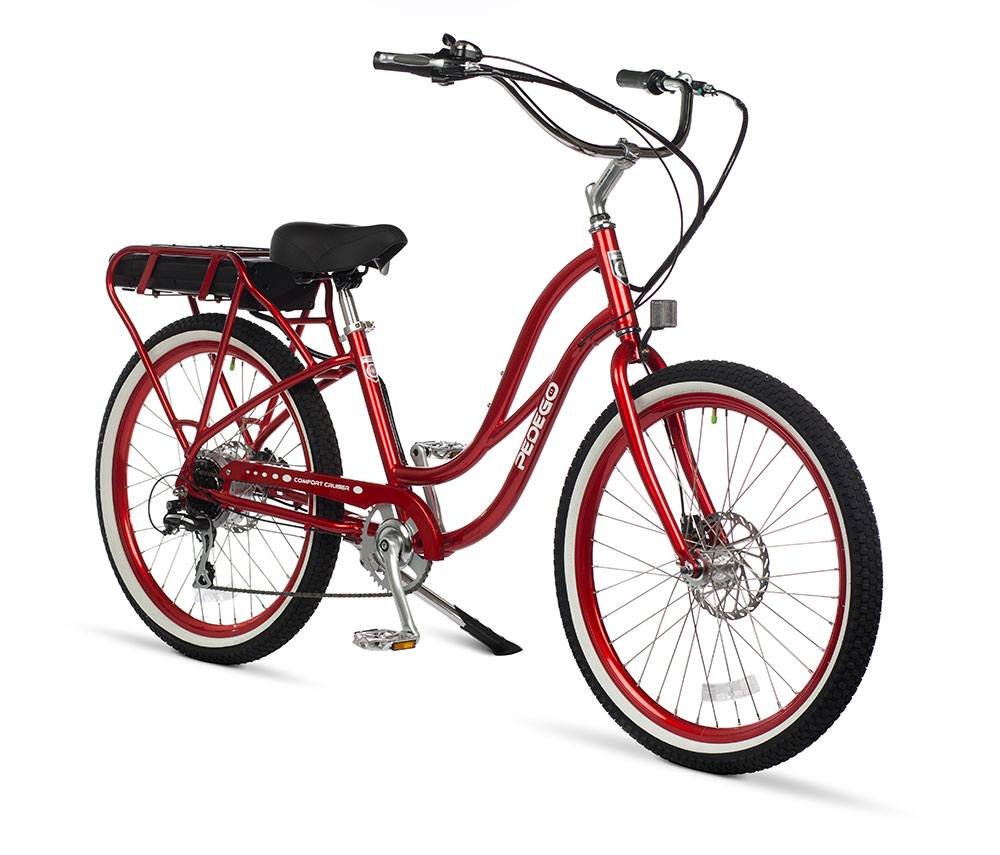
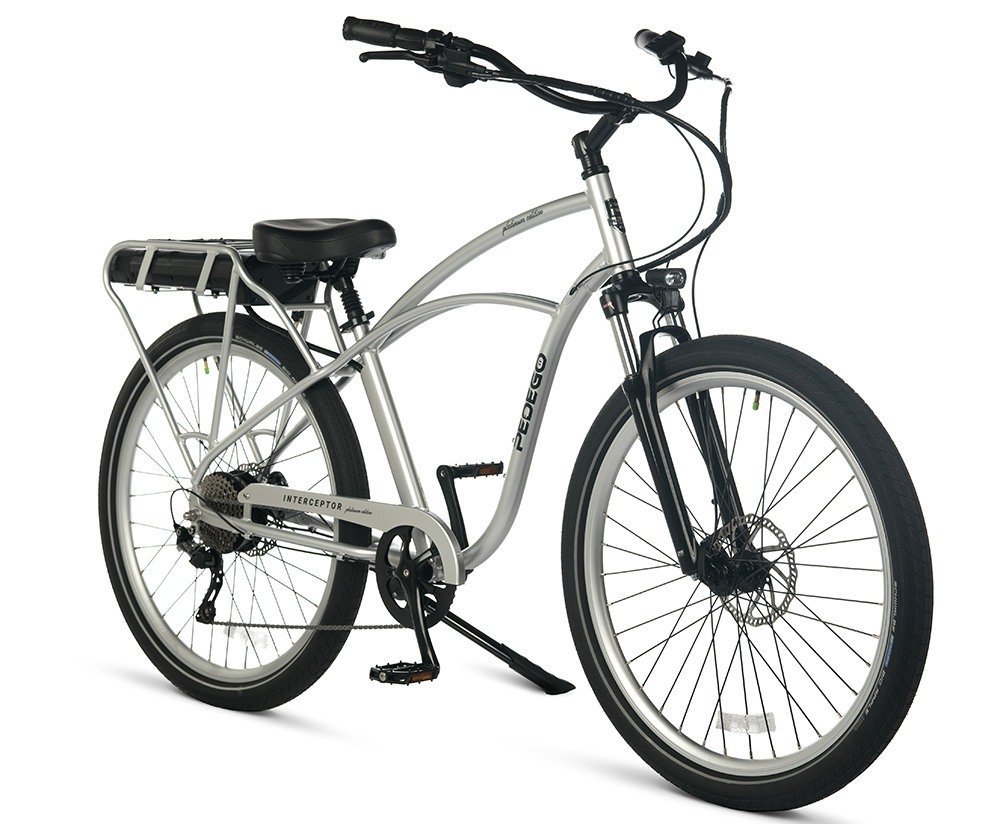
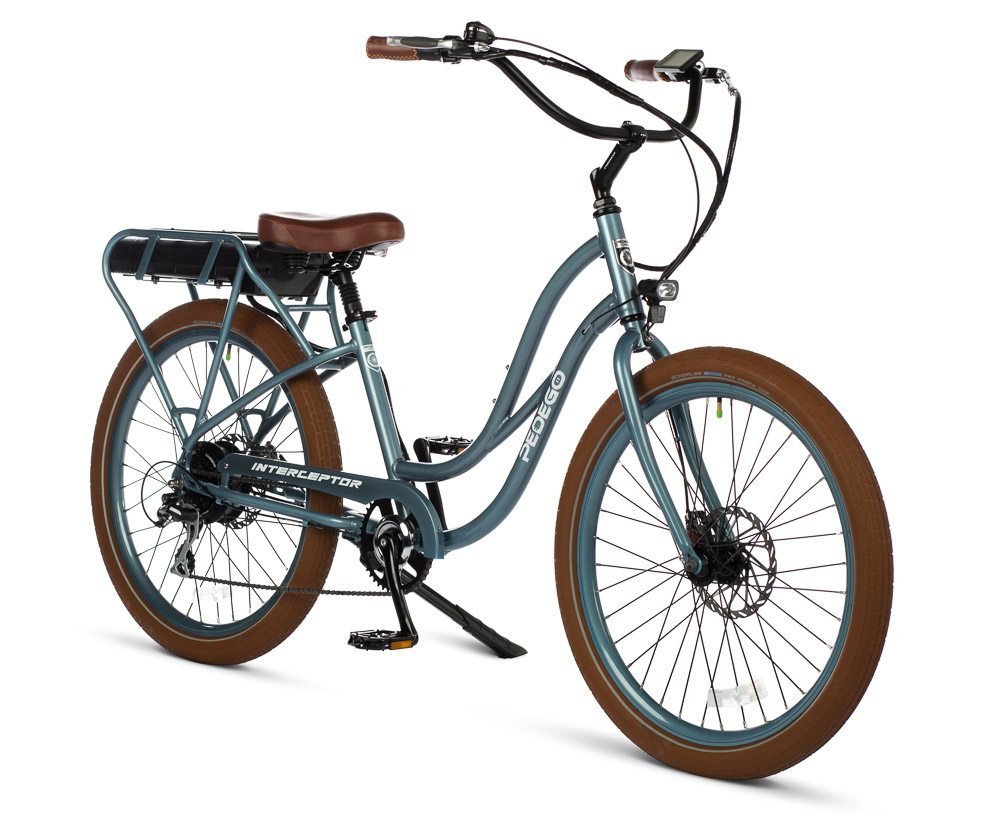
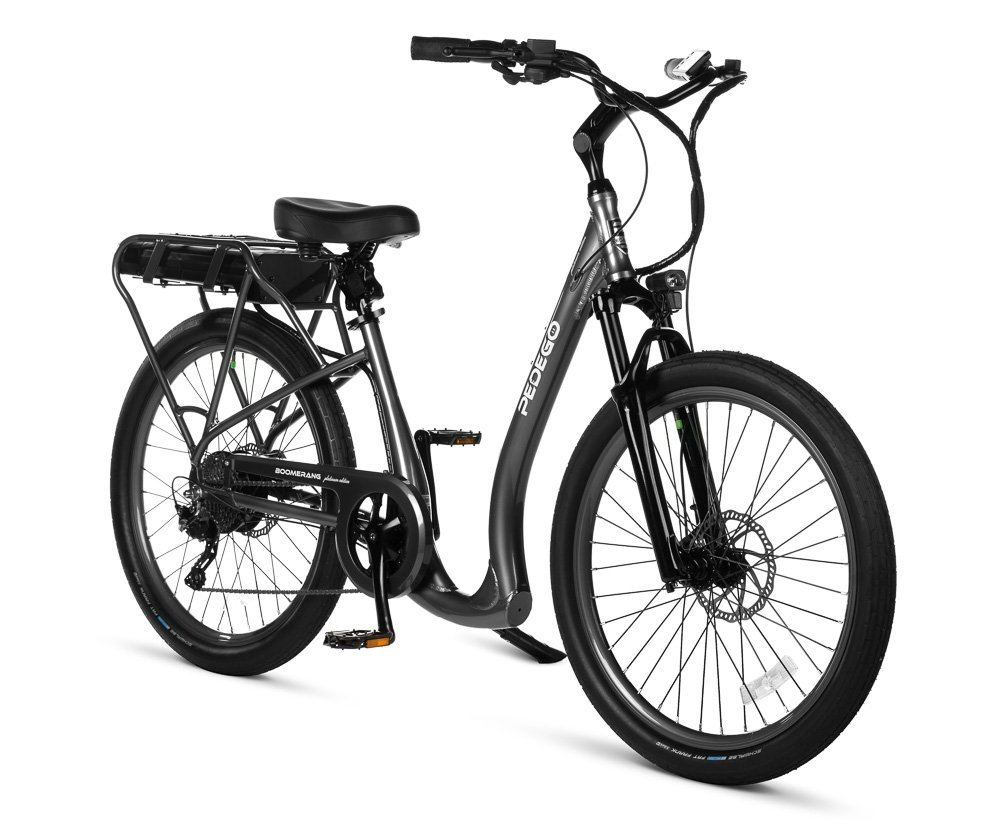
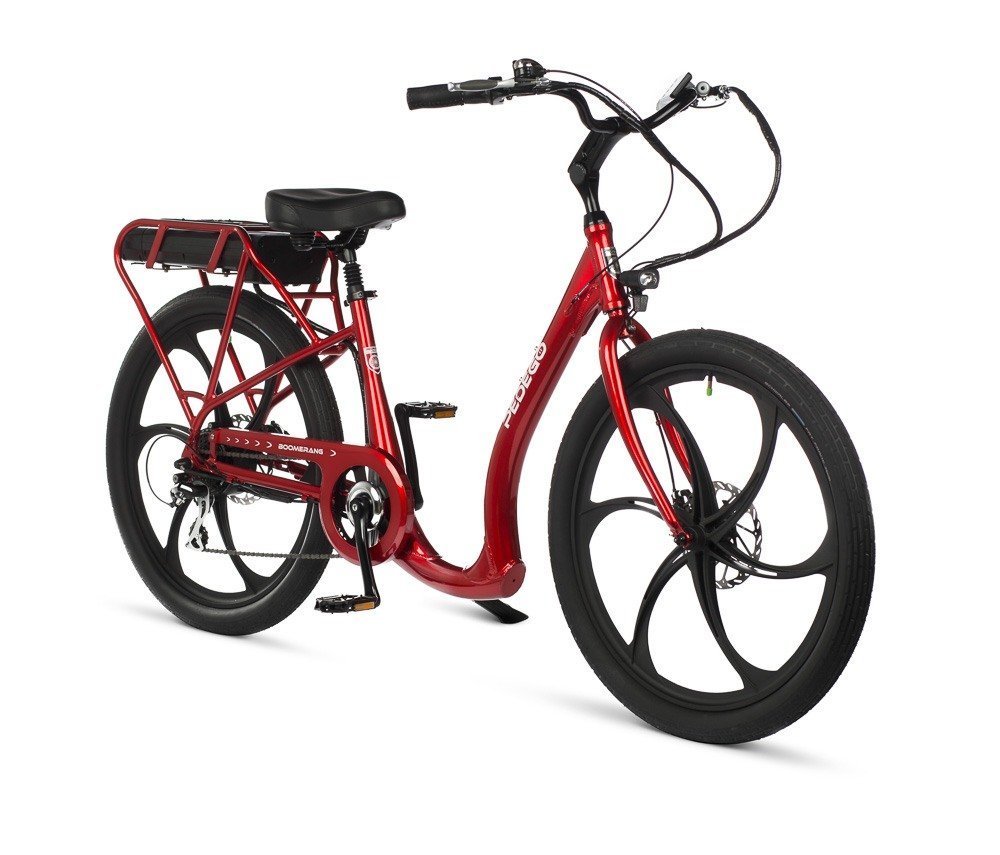
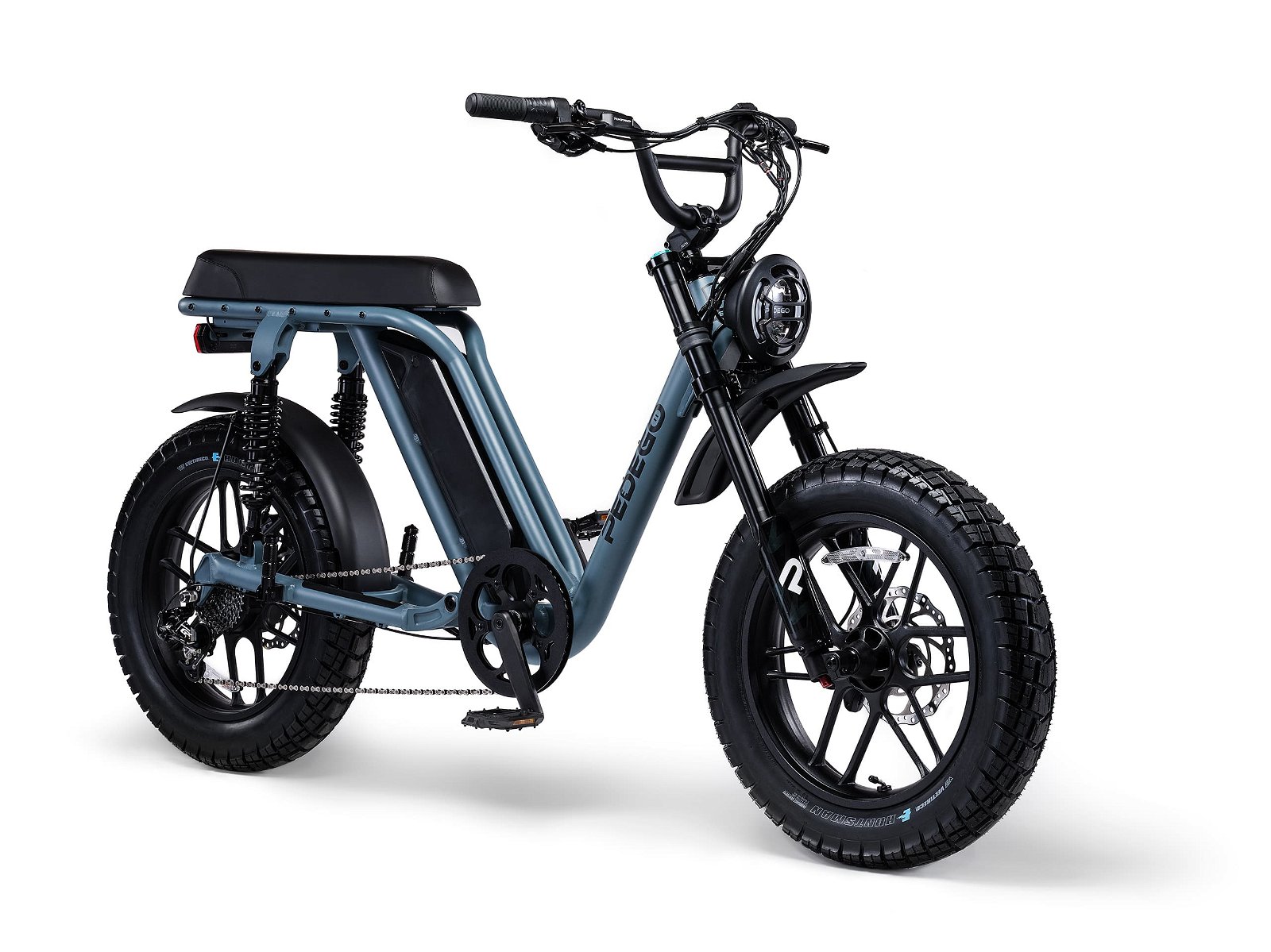
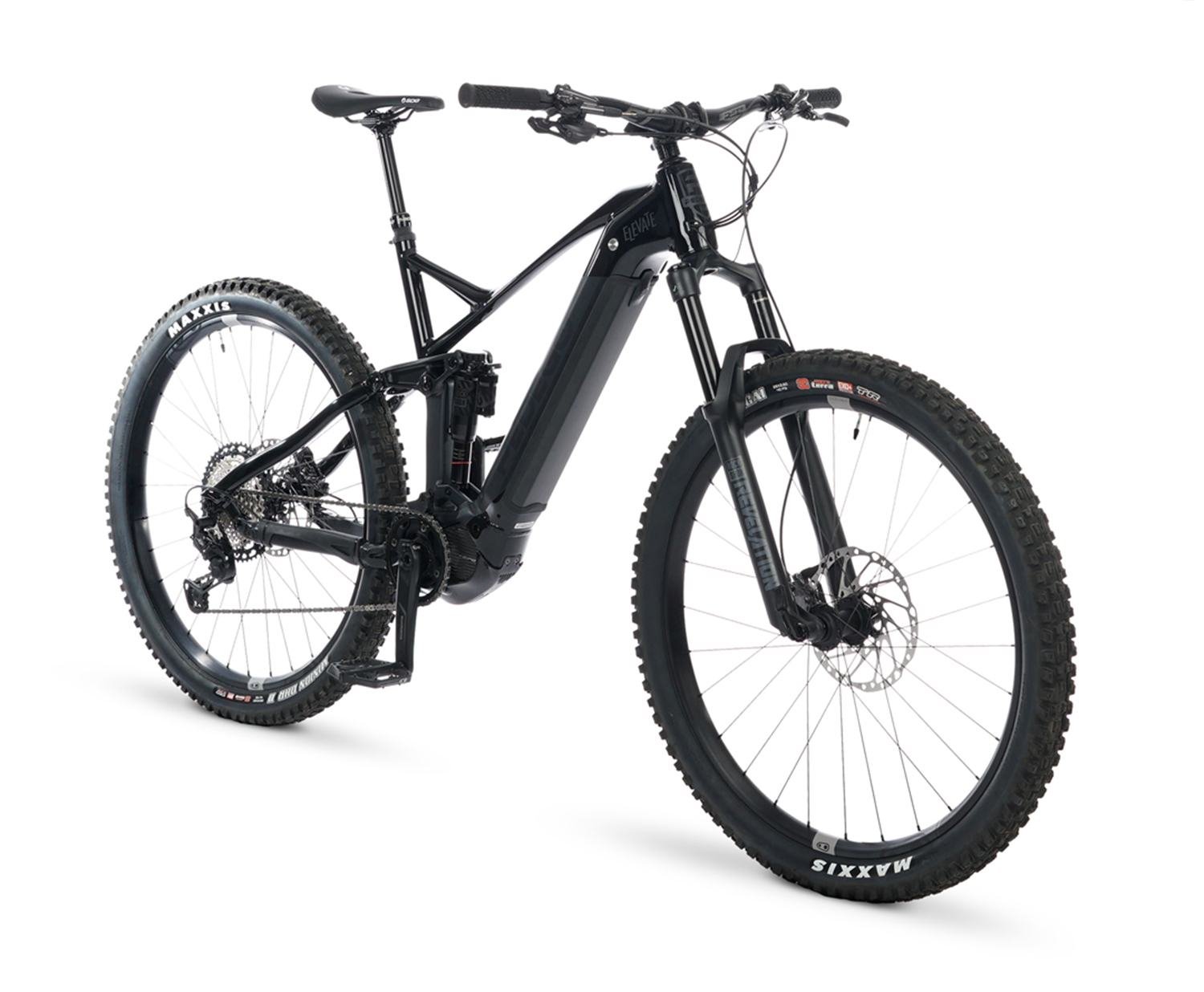
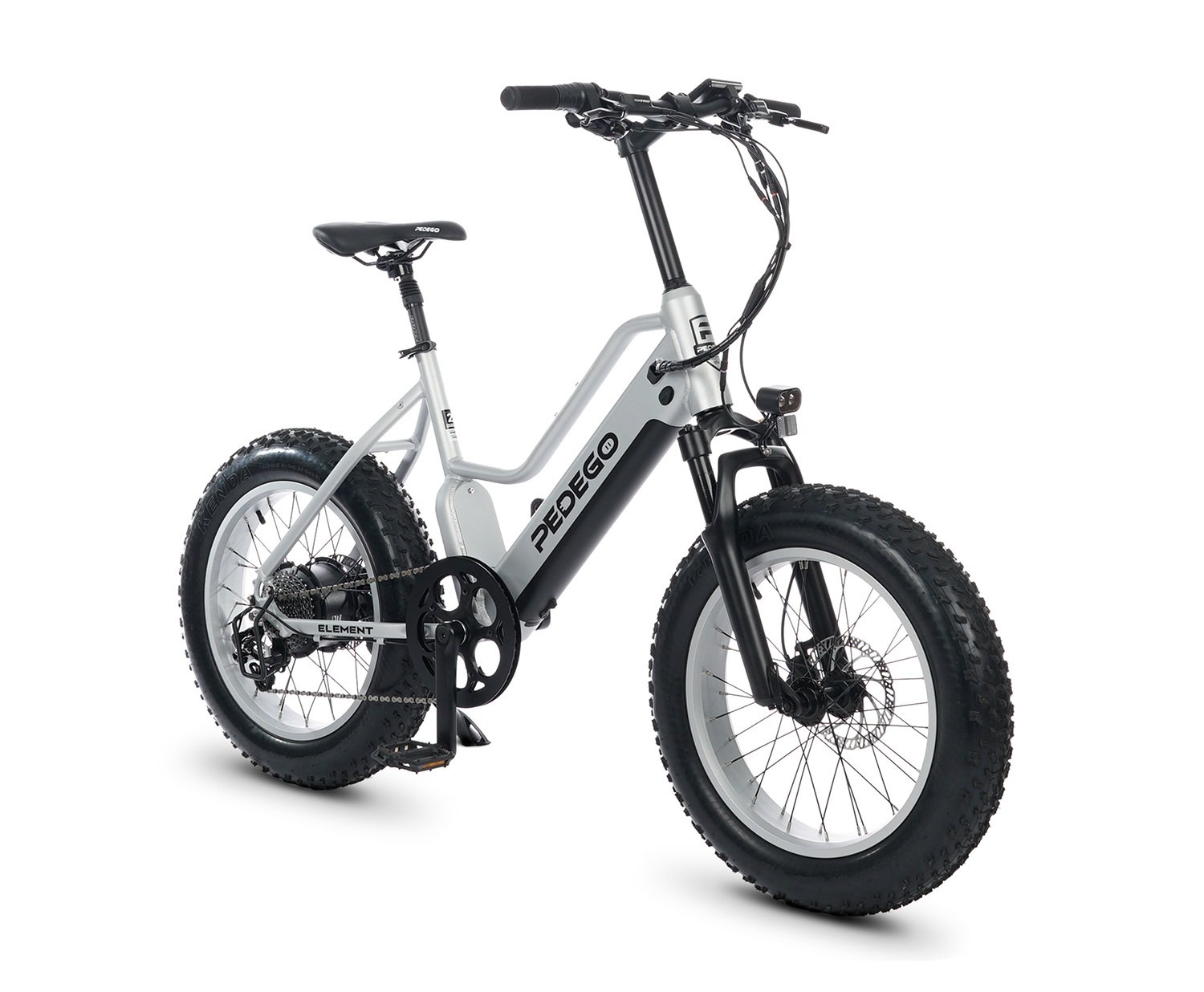
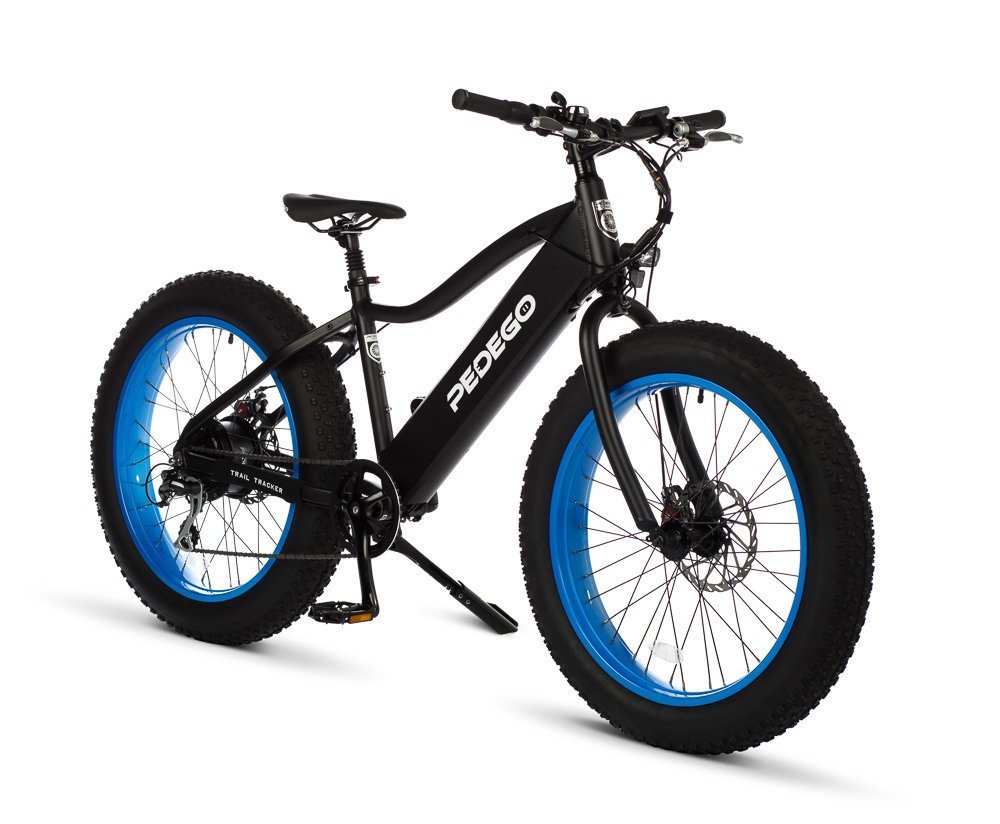
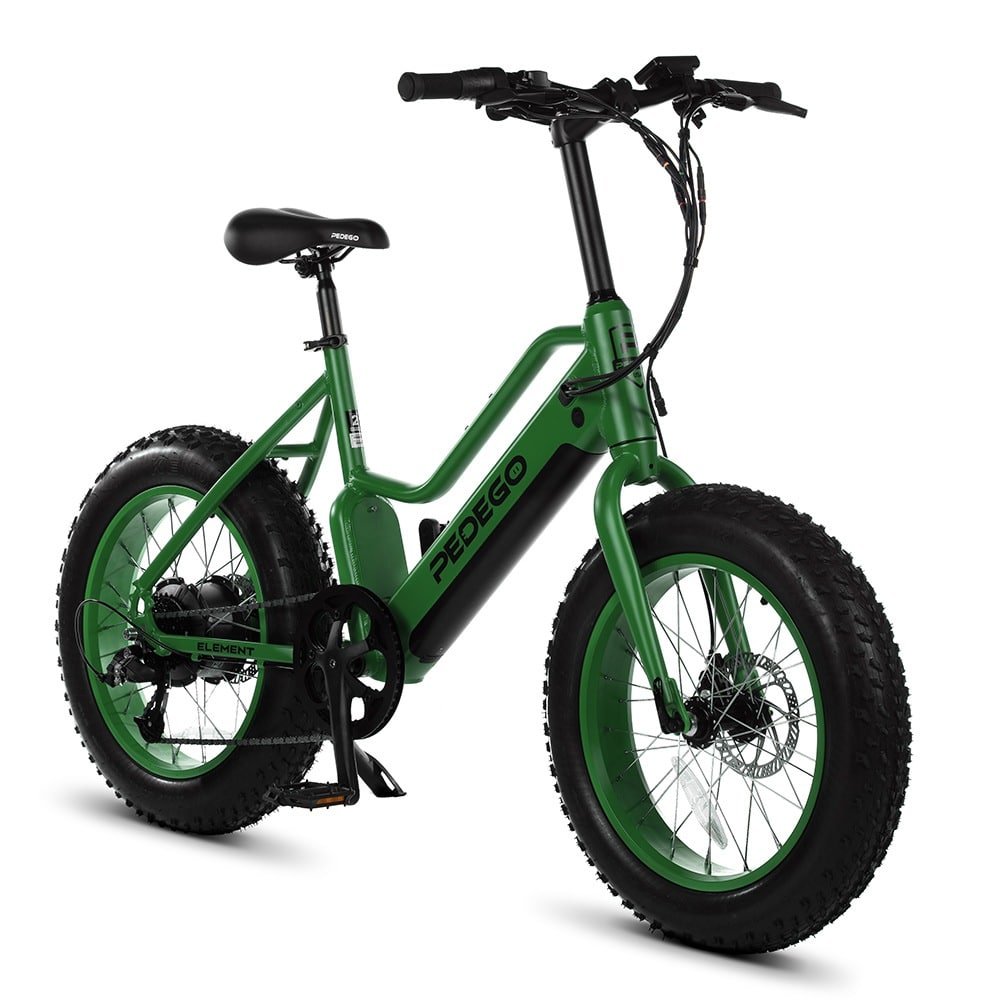
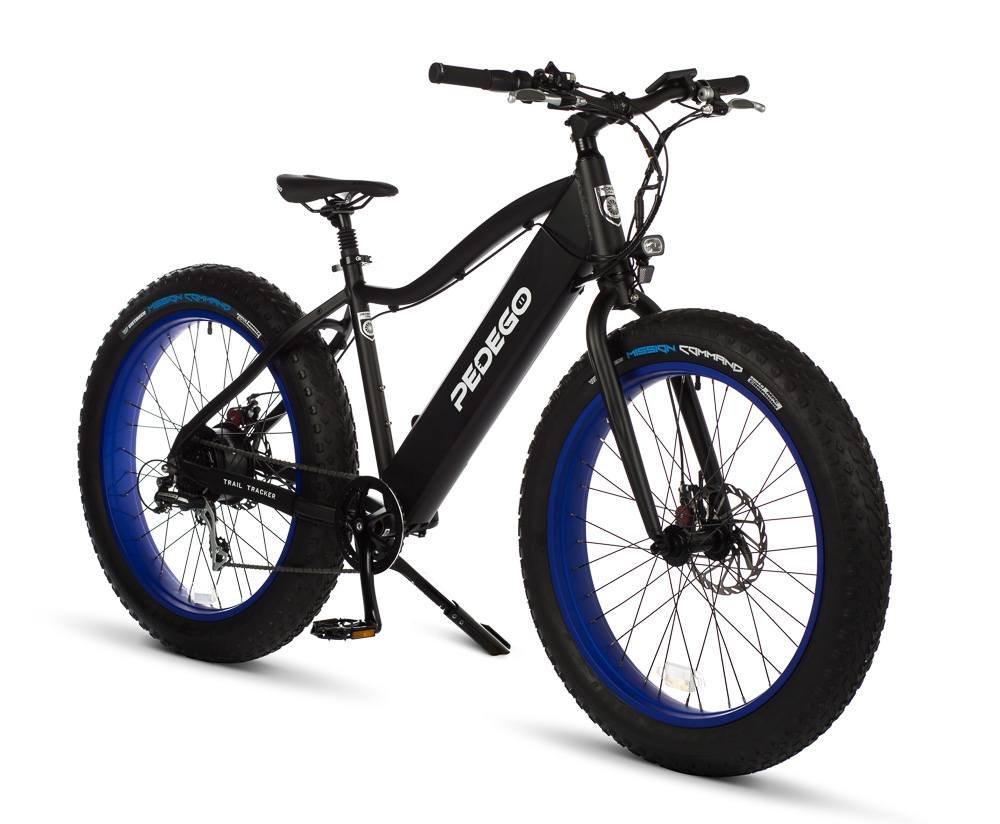
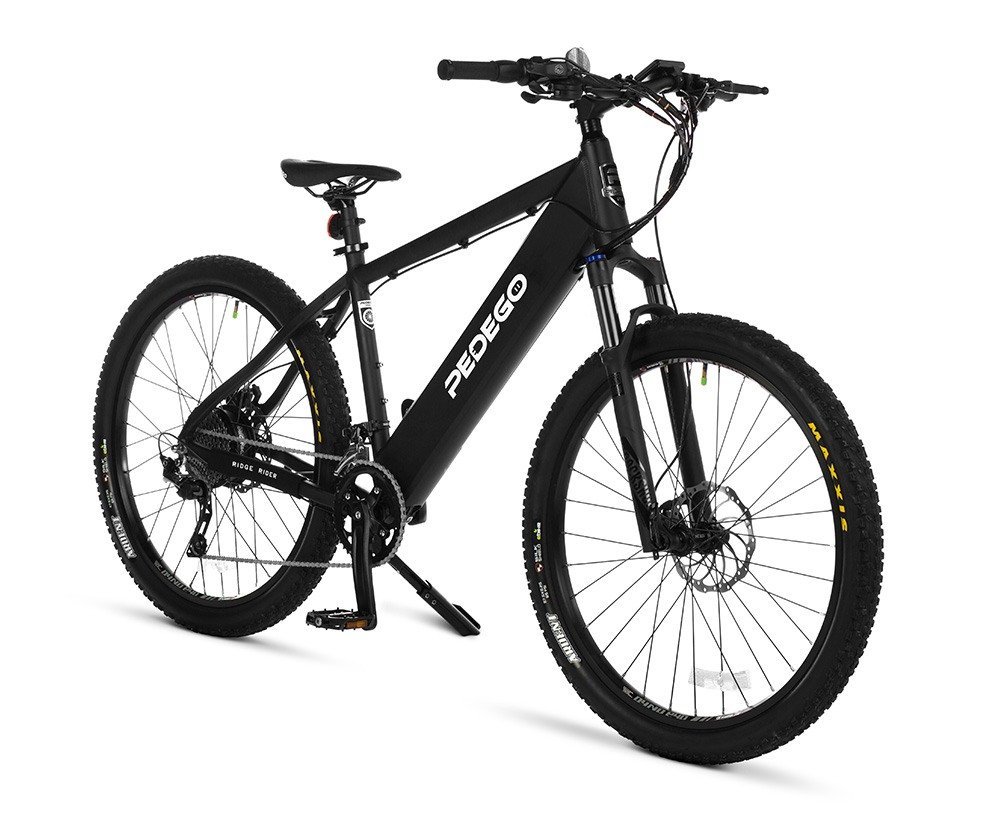
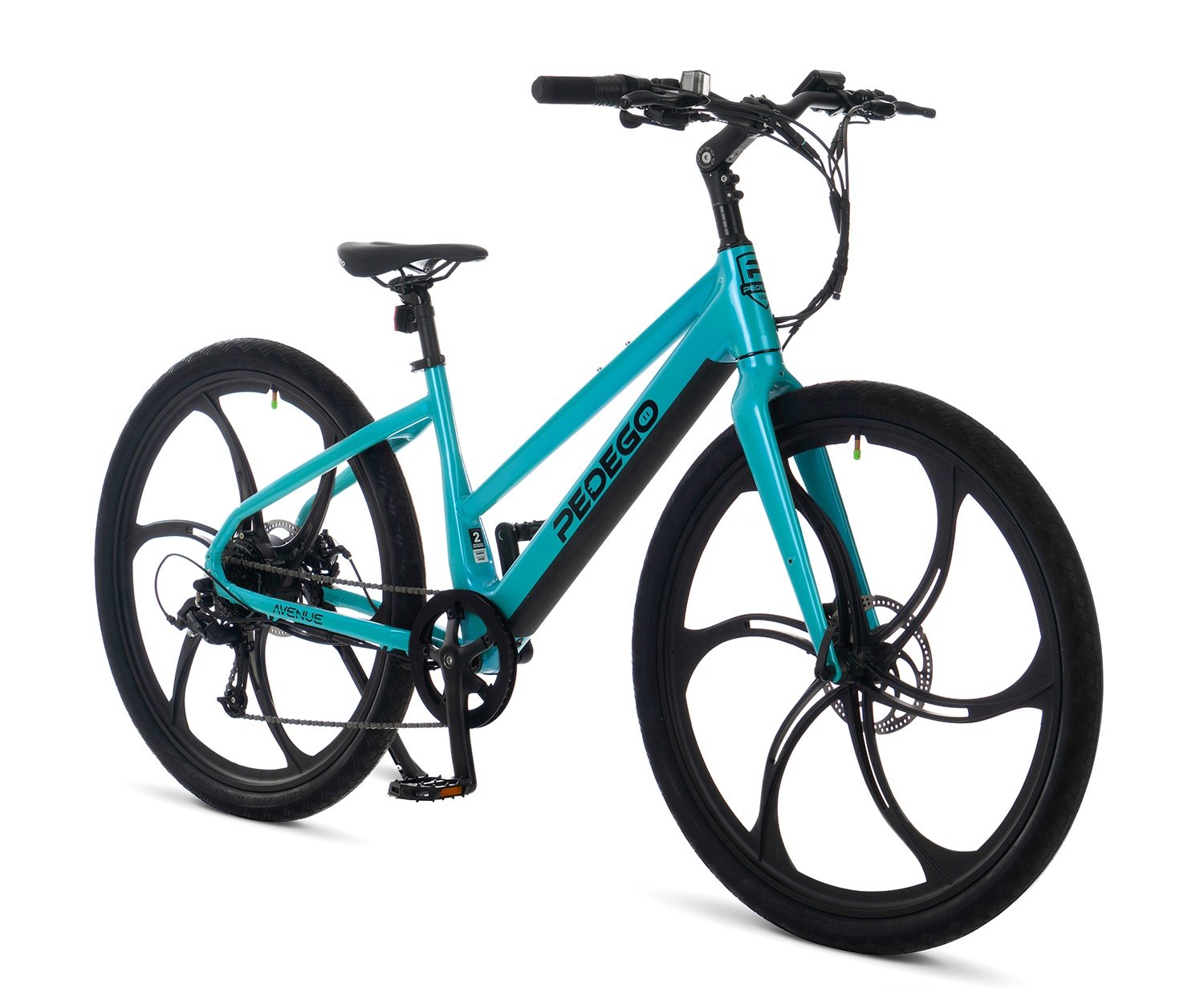
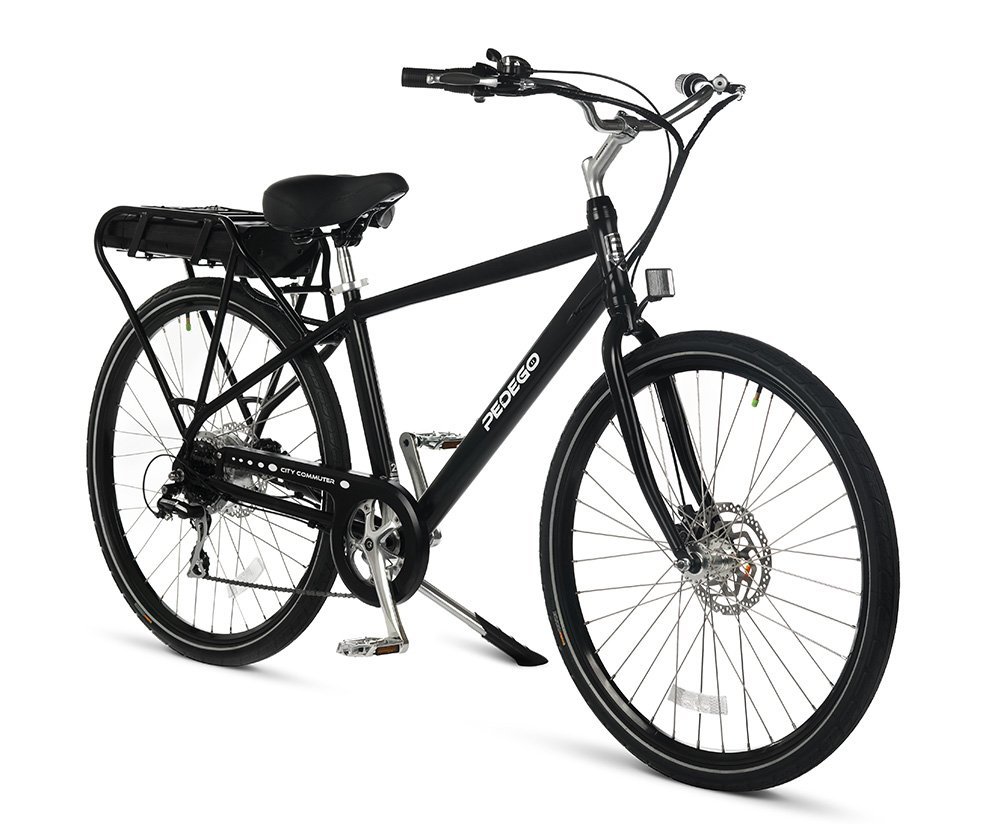
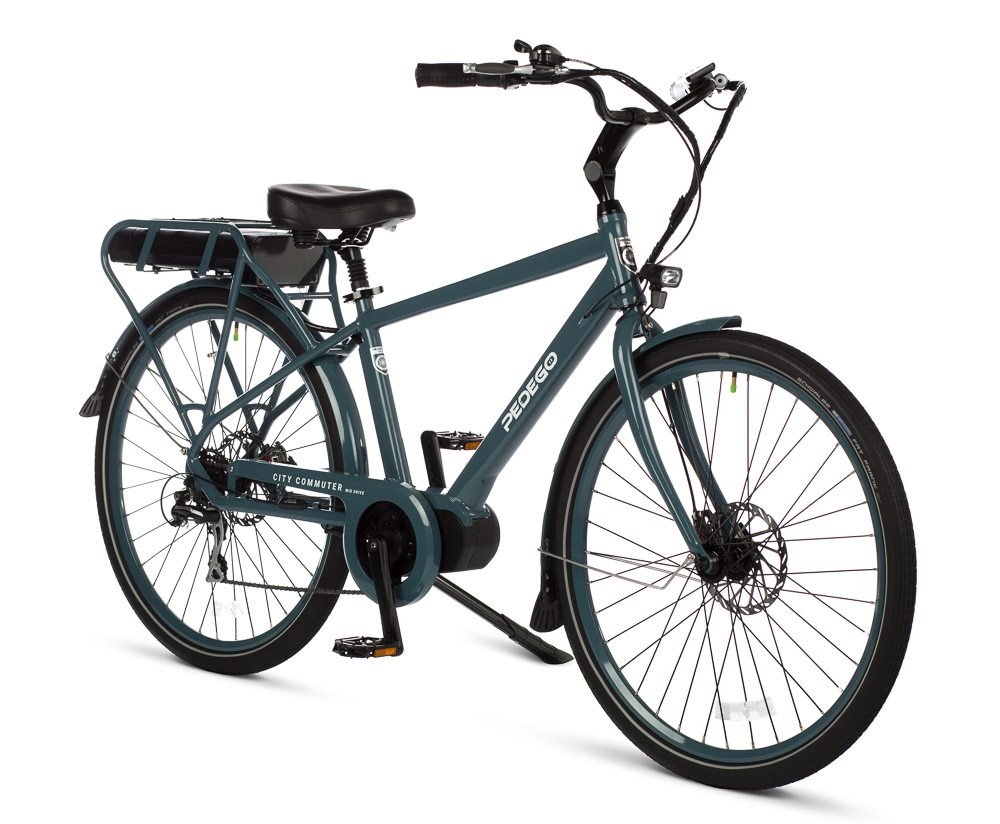
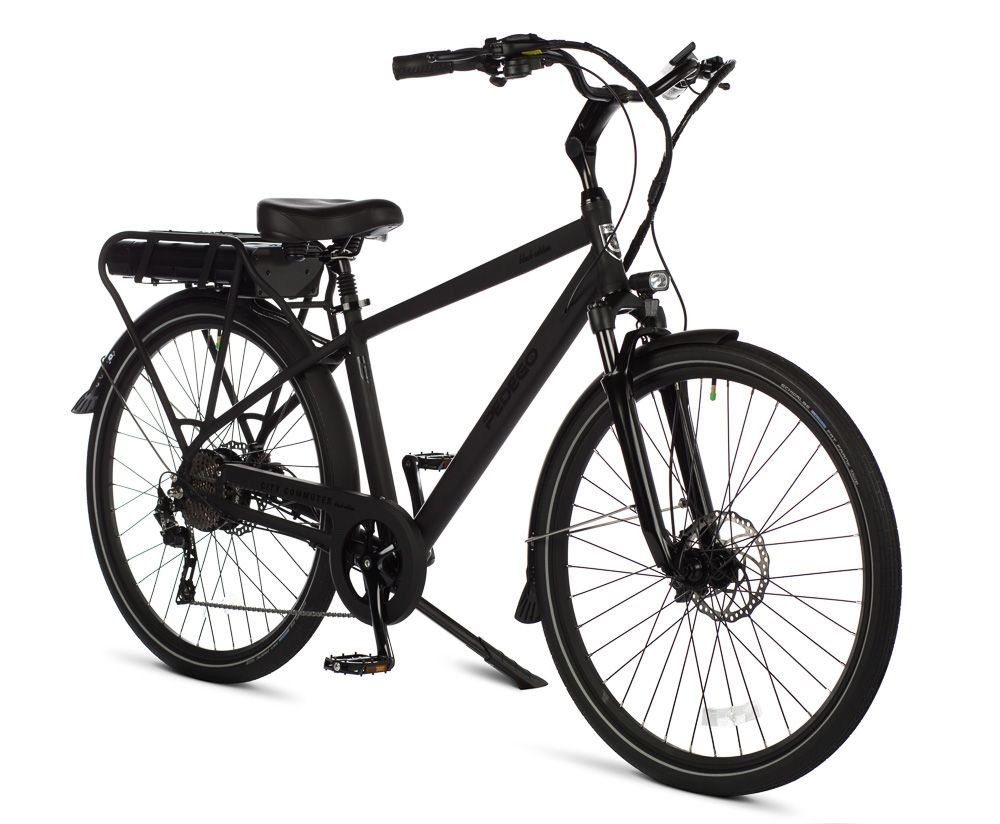
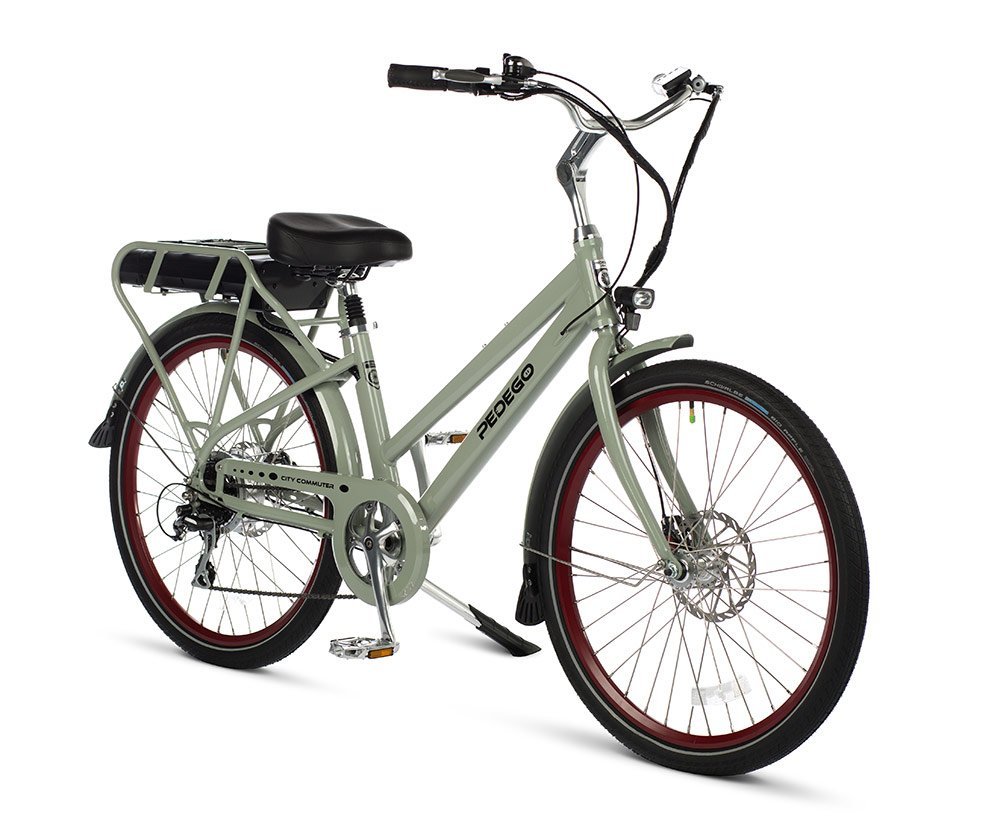
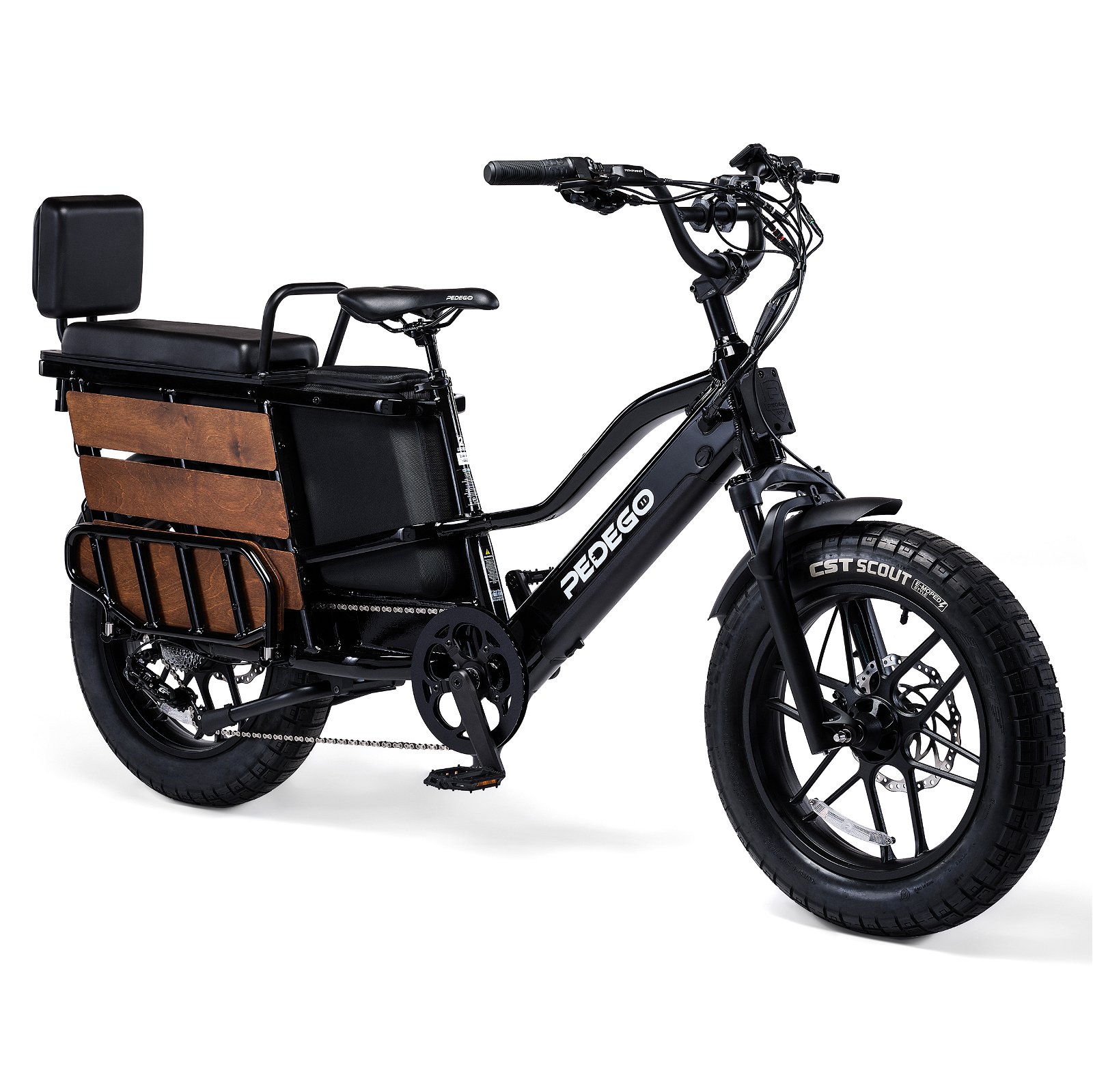
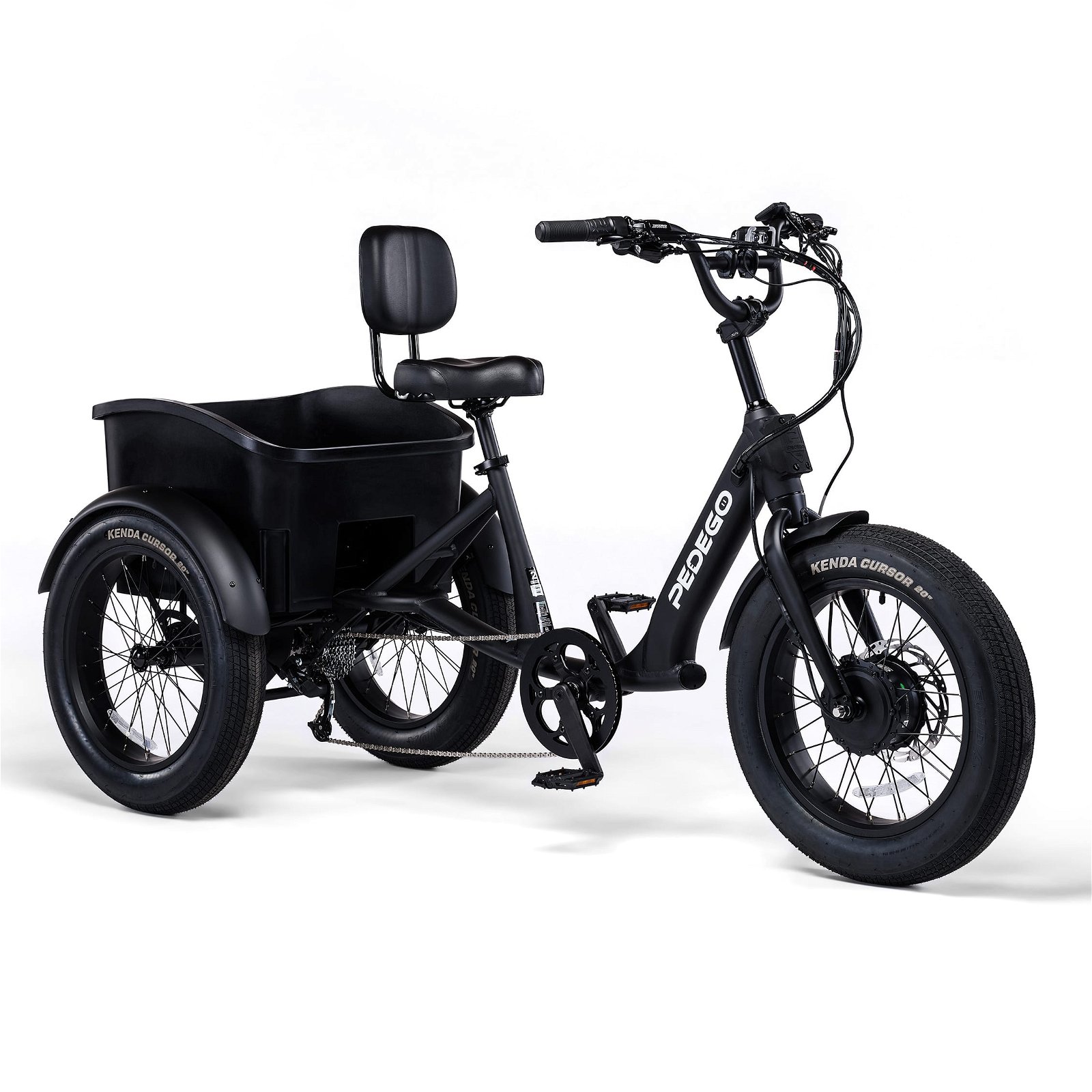
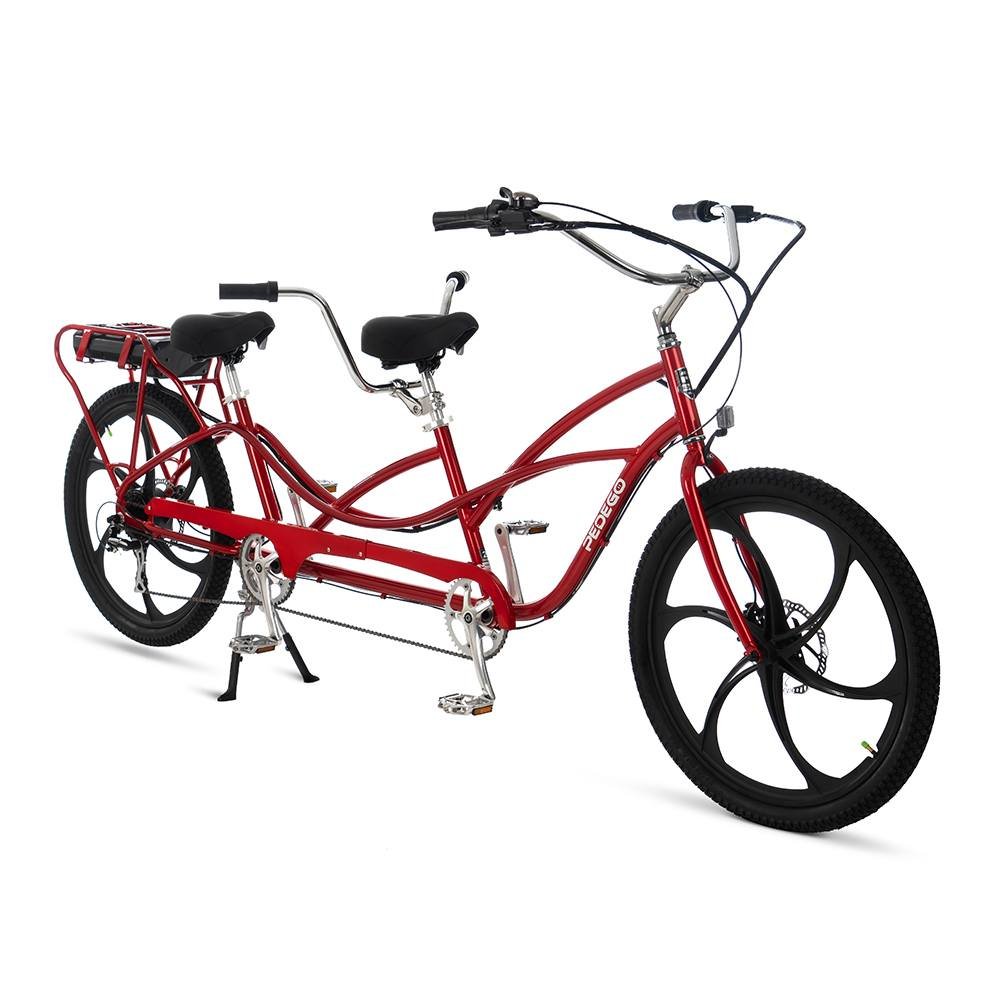
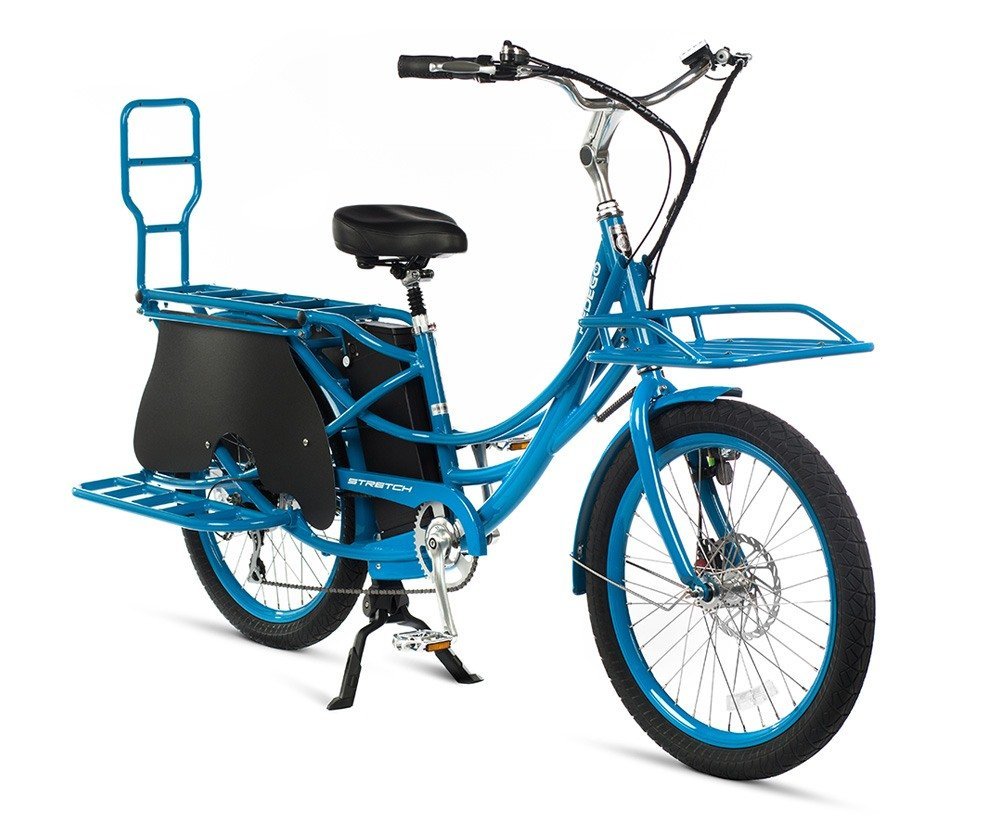
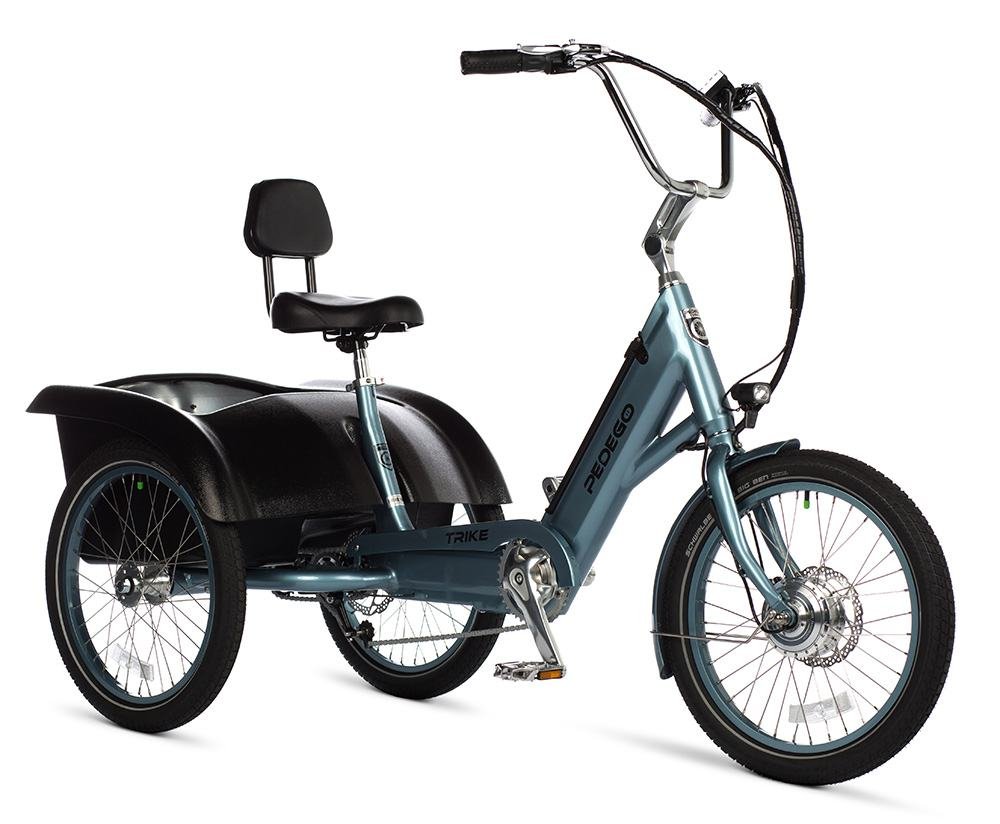
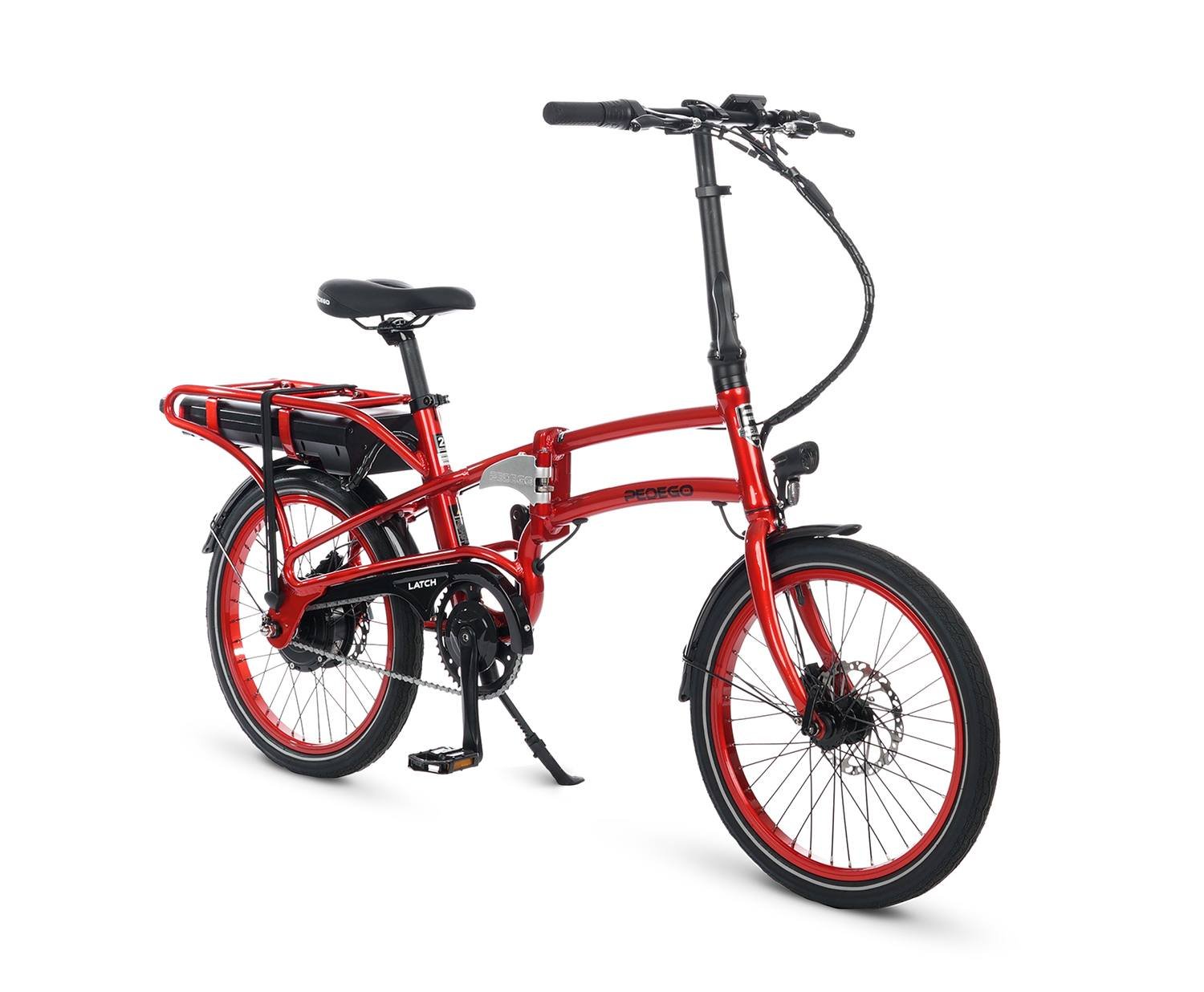
The ebike, which runs on an electric motor and allows riders to pedal at their own convenience, travels up to 20 mph and sells between $500 and $14,000 (the newer lithium battery ones vs. the older acid battery bikes tend to run more expensive but are far more durable). They weigh about 40 lbs to 65 lbs, and though heavier than what you’re probably used to riding, once you try it (I test rode several the other day) you probably will be a convert – especially if you have to ride over 10 miles to work each day.
22 million bikes are predicted to be on Chinese roads and Europe’s all over the battery powered machine. Can we hope to catch up to that number here in the U.S.? The market is sure opening up. Best Buy began selling electric bikes and scooters in 19 of its stores on the West Coast, last June. Wal-Mart already sells ebikes in more than 400 stores. Lexus and Volkswagen recently launched fancier versions of the bike and the largest U.S. bike manufacturer, Trek, rolled out a line of electric bikes late last year. The company has so far gotten 500 of its 2,300 U.S. dealers to commit to carrying the bikes.
Given its relative ease of use, why then is the ebike not making more headway here? For one, bike culture in America is rooted in recreation. Less than 0.6 percent of the population uses the bike for transportation.
In China, where cycling is more essential, most riders moved to ebikes from bicycles to make their transportation needs easier. In North America, a buyer is expected to give up the comfort of their car and switch to the ebike, which is a much harder transition to make. Beyond that, the ebike is seen as a lazy man’s tool. When I posted a Facebook status asking for contact information for anyone who rode an ebike, a friend’s instant response was “I don’t know anyone that lazy.” Purists hate on ebikes because they believe it takes away from the nature of the sport. “Those aren’t bikes,” is the common refrain. As a result, they often intimidate first-time riders.
Most importantly, though, people are afraid of getting on their bikes because they don’t want to deal with the stresses of riding in fast-moving traffic. And it wouldn’t be much different on an ebike.
“Protected bike lanes seem to put a lot of riders at ease, and overall, I think better bicycle infrastructure is what will get more people to ride, not ebikes,” said Don Knapp, an avid biker and communications director for ICLEI-Local Governments for Sustainability. Lizzi added, “I’ve heard several people tell me that they are more likely to use their bikes if they felt safer on the road. We need more designated bike lanes if this is really going to work.”
“When cars are traveling at more than 35 and there are no bike lanes. When drivers aren’t paying attention — texting or doing something. Most people just don’t think they can compete, even if they’re going 20 mph.”
The U.S. has just spent $1.5 billion on biking infrastructure so that should be a step in the right direction – given that that’s more money being spent on it the past 20 years combined, Lizzi said.
“The car dominates our city planning. Not only at the local level but at the federal level,” said Matt Roney, from the Earth Planning Institute.
“But things are changing. NYC itself has put in 100s of bike planes through the PlaNYC project. There’s going to be lag time with any new developments. Once people start feeling safe on the road. Once the facilities have been built, drivers will get more used to seeing riders. Motorists will start to look out for cyclists, like they do in cities like Portland.”
Cebular does think the efforts have started to pay off (though he does admit it’s going to be a while before we see a full-fledged conversion.)
“We’ve had about a 40 percent increase almost every year since we started, outside of last year when the recession hit everybody really hard,” he said.
“When oil prices fell, more and more people started using the ebike as a real option. Gas prices in Europe have been high for a long time and that’s got more people thinking about the environment and alternative forms of transportation. If gas prices are higher – people finally sit and ask themselves, do we really need a second or third car. An electric bike pays for itself.”
While core customers initially seemed to be baby boomers (which at about 79 million isn’t a shabby demographic), who haven’t ridden for a long time, or have health problems, that changed in 2008 when gas prices went up. The young urban dweller finally seemed to be catching on.
We need to realize that while the technology is there – the only way true change is really going to take place is policy. A sweeping change can only occur when prices from top to bottom reflect the true cost of our unsustainable habits. The electric bike — or car, for that matter — will only really make any headway in our markets when the price of fossil fuels aren’t subsidized anymore and when enough infrastructure is set up to make the wrongs right.
Given that most trips are less than 3 miles around our house, the least we can do is attempt to pedal along. You’ll save money on gas and on your gym membership.
For more information, go to http://www.pedegoelectricbikes.com